
Understanding the Purpose of Casino Designs
The design of a casino is meticulously crafted, serving not just as an aesthetic choice but as a vital component in driving the player experience. The layout, colors, and materials used in construction are all strategically chosen to influence visitor behavior and decisions. For those interested in different payment options, the world of gaming incorporates methods like online casino neosurf which enhance the overall experience. Entrances are often grand and inviting, creating a sense of excitement and anticipation. This enticing atmosphere encourages individuals to explore further, thus increasing their time spent in the establishment.
Moreover, casinos aim to create a feeling of comfort and safety, which is essential for players to engage fully with the games. Designers utilize open floor plans and comfortable seating arrangements to reinforce this sense of security. Well-placed amenities, such as bars and restaurants, enhance the experience, making customers feel valued and attended to. This careful orchestration of elements can ultimately lead to longer visits and higher spending.
Additionally, sound design plays a significant role in casino environments. The subtle background music and ambient sounds of slot machines can create a stimulating atmosphere that encourages players to stay engaged. The strategic combination of lighting and sound can evoke emotions of thrill and excitement, making the gaming experience more immersive. Casinos understand these psychological triggers and leverage them accordingly to sustain player interest.
The Role of Color Psychology in Casino Design
Colors evoke emotions and can significantly impact a visitor’s decision-making process. In casinos, this concept is harnessed expertly. For instance, red is commonly used in casinos, symbolizing excitement and urgency, ultimately driving people to take action. Shades of blue and green, on the other hand, are often associated with relaxation and can invite players to linger longer, creating a balanced atmosphere between thrill and comfort.
The choice of color can also influence gambling behavior. Research shows that certain hues can stimulate appetite and thirst, which is why food and drink services are often an integral part of casino design. By utilizing warm and energetic colors in high-traffic areas like slot machines, casinos can create a vivid experience that entices guests. The strategic application of color reinforces branding while modifying visitor behavior in subtle yet effective ways.
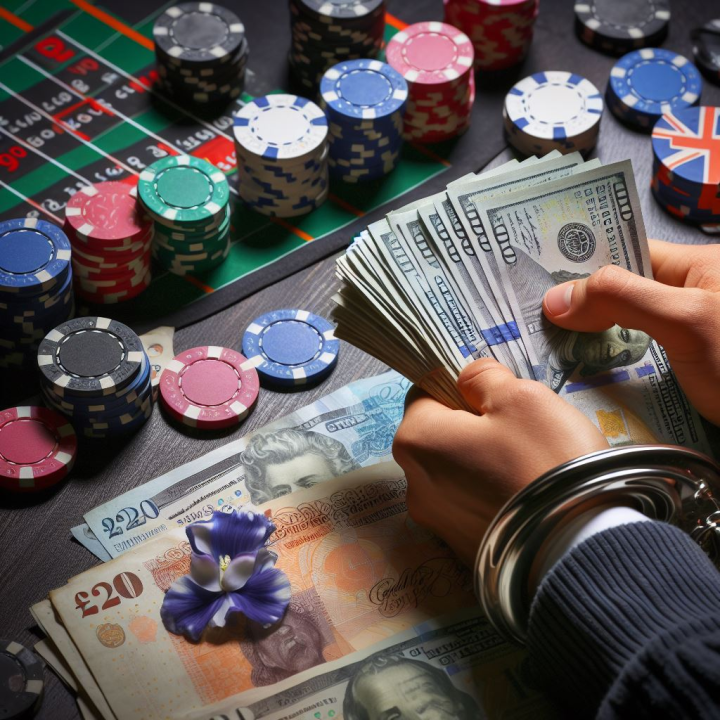
Furthermore, the psychological impact of color extends to signage and navigation within the casino. Directional signs are designed with colors that draw the eye, guiding patrons efficiently through the space. This not only improves the overall experience but also encourages players to explore various gaming options. By manipulating colors throughout the casino, designers create an environment that feels both thrilling and user-friendly.
Spatial Design and Flow in Casinos
The spatial layout of a casino is deliberately optimized to promote exploration and movement. Designers create pathways that encourage guests to wander from one area to another, often leading them to different gaming sections. This flow is essential as it keeps patrons engaged, allowing them to experience various games, from table games to slots. Proper spatial design minimizes the likelihood of guests feeling overwhelmed or lost, which can detract from their overall enjoyment.
Moreover, casinos intentionally create a sense of disorientation to keep players inside the building longer. By minimizing natural light and using strategically placed mirrors, designers can make it difficult for players to gauge the passage of time. This effect can lead to extended gambling sessions, significantly increasing the potential for profit. Understanding how spatial design interacts with human behavior reveals the intricate relationship between physical space and psychological influence in gaming establishments.
Furthermore, the arrangement of gaming machines and tables is not arbitrary; it plays into the social aspects of gaming. Grouping table games encourages interaction among players, fostering a sense of community and shared excitement. The layout may also place high-stakes games in a more secluded area to attract serious gamblers while keeping casual players in bustling sections. This blend of social dynamics is essential to designing a successful casino environment that caters to diverse player preferences.
The Influence of Lighting and Ambiance
Lighting is a crucial element in casino design, orchestrating the mood and atmosphere of the space. Bright, vibrant lights attract attention and create a sense of energy, particularly around gaming machines and tables. However, a harmonious balance must be struck; overly harsh lighting can create discomfort, while too dim an environment may lead to disorientation. Designers typically use layered lighting strategies to emphasize key areas while maintaining overall comfort for patrons.
Beyond aesthetics, the importance of lighting extends to the psychology of gambling. Dimmly lit areas can create a sense of intimacy and exclusivity, making high-stakes players feel special. Additionally, flashing lights and colorful displays on machines can stimulate excitement and thrill, prompting players to engage more actively. This carefully choreographed lighting is designed to enhance the sensory experience, encouraging players to immerse themselves in the environment.
Lastly, the ambiance created through a combination of lighting, sound, and design elements fosters a unique atmosphere. Casinos aim to craft an experience that feels almost dreamlike, blurring the lines between reality and fantasy. This surreal quality can create a sense of euphoria for visitors, making them more likely to forget their concerns and indulge in their gambling activities. Such experiences are essential for ensuring player satisfaction and loyalty.
Conclusion and Insights on Casino Design
Understanding the psychological principles behind casino designs provides deep insights into the gaming industry. Each element, from layout to color and lighting, is thoughtfully considered to enhance the player experience and increase profitability. The interplay of these components creates a captivating environment that encourages patrons to spend more time and money compared to a more conventional setting.
Moreover, casinos constantly adapt their designs based on emerging psychological research and consumer behavior patterns. This responsiveness to player preferences ensures that casinos remain relevant and competitive in an ever-evolving market. As the gaming world continues to grow, so too will the sophistication of casino designs, with a sharper focus on enhancing player engagement and satisfaction.
Ultimately, the thoughtful orchestration of design elements within casinos reflects a profound understanding of human behavior and psychology. As you explore these gaming environments, it’s fascinating to consider how every detail is purposefully chosen to create an unforgettable experience. With this knowledge in mind, patrons can appreciate the artistry behind casino layouts and the psychological strategies that ensure they remain engaged and entertained throughout their visit.